25 Creative Nature Collecting Ideas for Nature Journaling and Outdoor Exploration
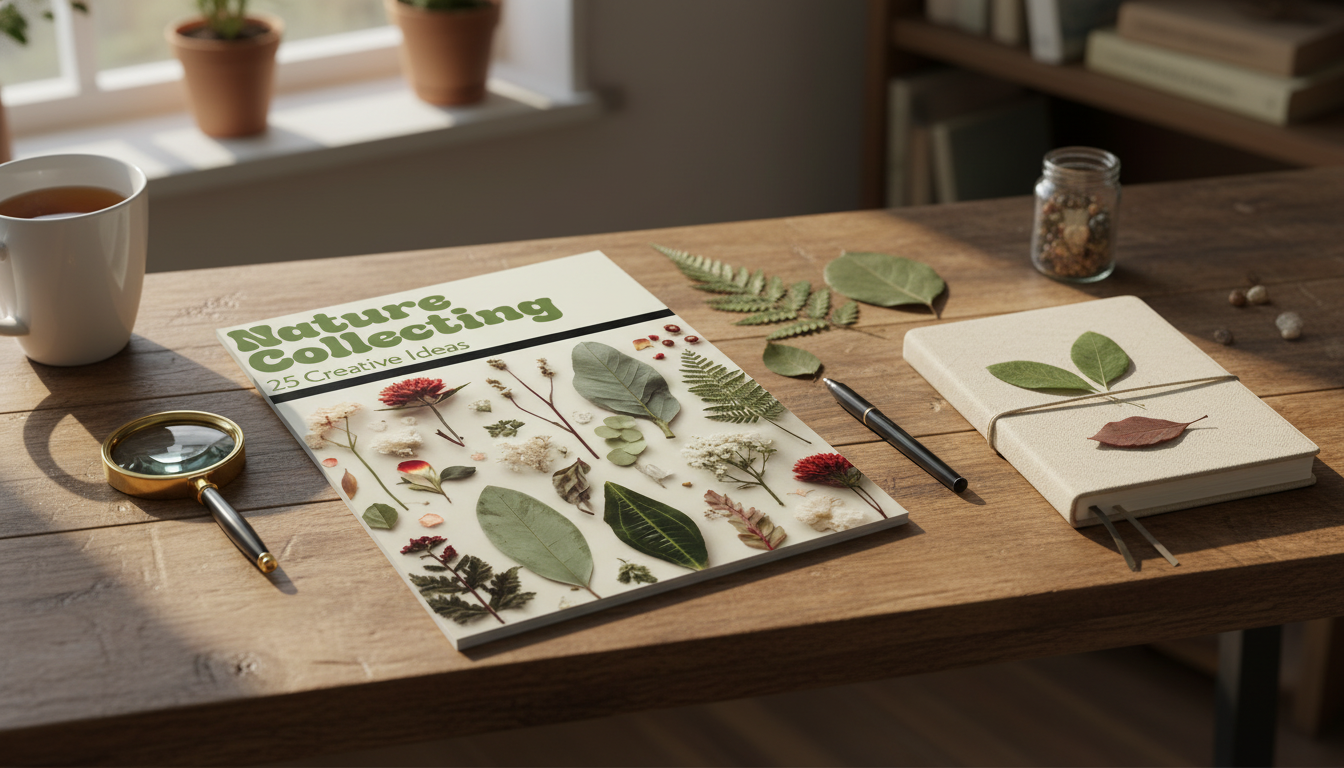
Nature collecting can be as simple as noticing patterns on a leaf or as hands-on as building a seasonal “found-object” palette for sketching and writing. The most rewarding collections are small, respectful, and tied to observation—helping turn a walk into a repeatable exploration routine. Below are low-impact collecting ideas, quick journaling prompts, and a simple method for tracking what you notice so each outing feels fresh, even on the same trail. For more guidance, see Nature Journals for Kids: Prompts, Activities & Free Printables.
What “nature collecting” really means
Collection themes and what to record
| Theme |
What to collect |
What to record in the journal |
Best season |
| Color hunt |
Photos or a tiny set of fallen petals/leaves |
3–5 color swatches, where the color appeared, what changed the shade (sun/shade/wet/dry) |
All year |
| Textures |
Bark rubbings, close-up photos |
Texture words (ridged, papery, waxy), a quick rubbing, plant/tree type if known |
All year |
| Seeds and dispersal |
Fallen seeds, pods, or photos |
How it likely travels (wind, water, animals), shape notes, where found |
Late summer–fall |
| Tracks and trails |
Photos, sketches, measurements |
Stride length, track size, substrate (mud/snow/sand), direction of travel |
Winter/spring |
| Mini habitats |
Photos, sketches |
Who lives here (insects, moss, fungi), moisture level, shade, nearby plants |
Spring–fall |
Low-impact guidelines for collecting outdoors
Responsible collecting protects the places you love and keeps your journal practice sustainable. Start by checking local rules—many parks and protected areas prohibit removing natural materials. When you’re unsure, default to photos, sketches, and written notes. The National Park Service guidance to “leave what you find” is a helpful baseline for protected lands: https://www.nps.gov/articles/leave-what-you-find.htm. For further reading, see Nature journaling and observations weekly prompts.
Also note that some natural artifacts can be restricted. For example, many native bird feathers are protected under U.S. law; use photos instead and review general guidance here: https://www.fws.gov/law/migratory-bird-treaty-act. For an overall framework, the Leave No Trace principles are an easy reference for any outing: https://lnt.org/why/7-principles/.
25 creative nature collecting ideas (quick prompts)
- 1) Five-shape scavenger: find a circle, triangle, spiral, wave, and zigzag in nature; sketch each.
- 2) “One twig, three stories”: choose a fallen twig and note texture, scent, and possible origin (storm, animal, decay).
- 3) Leaf edge library: collect or photograph leaf margins (smooth, serrated, lobed) and label them.
- 4) Bark pattern catalog: do bark rubbings from different tree types (use light pressure).
- 5) Pebble gradient: photograph stones from light to dark; note which are smooth vs. rough and where each was found.
- 6) Seed travel study: compare a winged seed, a burr, and a heavy nut; predict how each moves.
- 7) Shadow tracing: trace a leaf or branch shadow at different times to see how light changes shape.
- 8) Cloud collection: sketch three cloud types; note wind direction and weather changes within an hour.
- 9) Sound map: stand still for two minutes and map sounds by direction and distance (birds, water, traffic).
- 10) Scent notes: record smells after rain, near pine, near soil, or by water; describe with specific words.
- 11) Wet vs. dry color shift: compare a dry stone/leaf to the same item damp; note color change.
- 12) “Tiny worlds” lens: use a phone macro setting to capture moss, lichen, or sand grains; caption each photo.
- 13) Seasonal palette strip: create a strip of 6–10 colors seen on one walk; add where each color appeared.
- 14) Trail math: count 20 steps and note how many different plants, birds, and insects appear in that span.
- 15) Pattern hunt: find repeating dots, stripes, chevrons, and speckles in leaves, shells, or stones (and feathers only where legal).
- 16) Waterline clues: photograph debris lines, foam patterns, or drift; infer recent water level or wind changes.
- 17) “Three greens” challenge: identify three distinct greens and describe the difference (cool/warm/gray/bright).
- 18) Mini weather station: note temperature feel, humidity clues, cloud cover, and wind; compare to forecast later.
- 19) Fallen flower anatomy: if permitted and already fallen, press a petal and label parts from a reference.
- 20) Pollinator watch: observe one flowering plant for five minutes; tally visitors and behaviors.
- 21) Fungus forms: photograph mushrooms and bracket fungi; note location (on wood/ground) and moisture level (do not pick).
- 22) Track measurements: sketch a track and measure width/length with a ruler or coin reference photo.
- 23) “Edge habitat” inventory: compare what appears along a path edge vs. deeper in woods (light and plant types).
- 24) Night walk notes: list sounds, smells, and sky observations; keep it safe and stay in familiar areas.
- 25) One-square study: choose a 1-foot square patch and list everything seen (plants, insects, textures).
How to turn finds into a nature journal page
Printable checklist and digital tools for staying consistent
If you want a ready-to-print system, this internal guide includes prompts and a checklist you can reuse: 25 Creative Nature Collecting Ideas printable guide and checklist.
A simple weekly exploration plan (15–30 minutes)
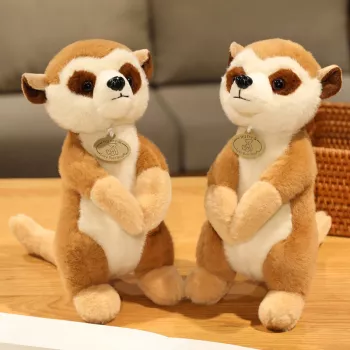
To make outings smoother, a crossbody bag can keep hands free for sketching and photos: Tommy Hilfiger Men’s Black Handbag with Shoulder Strap. For kids who enjoy a “field buddy” that makes outdoor time feel special, consider a small comfort item kept in the car or backpack: Cute Big-Eyes Meerkat Plush Toy – Soft Stuffed Animal Gift.
FAQ
What are some examples of nature-based activities?
Nature journaling, scavenger hunts for shapes and patterns, leaf and seed observation, cloud sketching, sound mapping, tracking animal signs, habitat inventories, and low-impact photography are all great options. Follow local rules, take only what’s permitted (if anything), and avoid disturbing micro-habitats so the area stays healthy for future visits.
Recommended for you



Leave a comment