Looking polished doesn’t require a big closet or a big spend. The fastest wins come from a few repeatable habits: choosing better basics, refining fit, using simple outfit formulas, and shopping with a plan. Use the checklist below as a practical reset—small upgrades that make outfits look intentional, even when the budget is tight.
The style-smart mindset: spend less, look more put-together
“Expensive-looking” style is usually about consistency, not cost. Before buying anything new, aim for a clean silhouette, cohesive colors, and pieces that work together across your week.
- Prioritize fit and proportions over labels. A tailored-looking shape reads elevated even with affordable fabrics.
- Use repeatable outfit formulas. Think: top + bottom + third piece + shoes. It reduces impulse buys and makes getting dressed faster.
- Buy fewer items in mixable colors. When most pieces coordinate, outfits multiply without extra spending.
- Use cost-per-wear thinking. Paying a little more for a piece you’ll wear weekly can cost less over time than replacing cheap items repeatedly.
Closet reset: quick steps that instantly elevate what you already own
A closet refresh doesn’t start with shopping—it starts with making what you already have look intentional and well cared for.
- Do a 20-minute edit. Pull anything stained, stretched, itchy, or never worn; box it for donation, recycling, or repair.
- Hang outfits by category. Group “work,” “casual,” and “going-out” so your best items aren’t buried.
- Replace missing basics first. A clean white tee, a solid dark top, straight-leg jeans or trousers, and a layering piece go further than trend items.
- Use a lint roller and fabric shaver regularly. Removing fuzz and pills makes basics look newer (a detailed walkthrough is in this Good Housekeeping guide to removing pilling).
- Steam or press before wearing. Wrinkles instantly make even good clothes look cheaper.
Fast fixes that make outfits look sharper
| Issue |
Low-cost fix |
Result |
| Pilling on knits |
Fabric shaver or sweater stone |
Smoother texture that looks newer |
| Wrinkles |
Hand steamer or quick iron |
Cleaner, more structured look |
| Dull shoes |
Wipe + polish (or sneaker cleaner) |
Instantly more polished finish |
| Loose buttons/threads |
Mini sewing kit |
Less “worn out” appearance |
| Clingy static |
Dryer sheet or light mist + hang |
Better drape and comfort |
For longevity, simple laundry habits matter more than most people expect; Cleveland Clinic’s laundry basics are a helpful reminder for keeping fabric looking fresh longer.
The 20-point budget style checklist (save-worthy habits)
- Choose a 2–3 color palette for most outfits (neutrals + one accent).
- Keep one “uniform” formula for busy days (e.g., dark jeans + tee + blazer + clean shoes).
- Tailor the easy stuff: hem pants, take in waists, shorten sleeves when needed.
- Favor solid colors or simple patterns; they mix more easily than loud prints.
- Upgrade buttons on coats/blazers for a small-cost, high-impact refresh.
- Roll, cuff, or half-tuck strategically to define shape and avoid a sloppy silhouette.
- Balance proportions: wide-leg pants with a slimmer top; oversized top with straight bottoms.
- Add a “third piece” (cardigan, blazer, denim jacket, overshirt) to look intentional.
- Keep shoes clean; rotate pairs to reduce wear and maintain shape.
- Use a structured bag or clean-lined crossbody to instantly elevate casual looks.
- Choose fabrics that hold shape (denim, poplin, twill, ponte) for sharper lines.
- Stick to flattering necklines and sleeves that repeat across your wardrobe.
- Use shapely basics: a scoop or square neckline can look more elevated than a stretched crew.
- Invest in underlayers: smooth, well-fitting undergarments improve how clothes drape.
- Replace worn-out basics first (tees, camis, socks) before buying statement items.
- Build outfits around one focal point (shoes, jacket, bag, or jewelry) and keep the rest simple.
- Keep accessories minimal but deliberate: one necklace, hoops, or a watch can be enough.
- Plan purchases around gaps (what you can’t currently style three ways).
- Shop secondhand for “structure pieces” (blazers, coats, leather) where quality shows—FTC guidance on buying used items is a smart read before you browse.
- Do a monthly “repair and refresh” day: sew, polish, shave, and steam.
Shopping rules that prevent closet regret
Simple outfit formulas for a polished look (without extra spending)
Budget-friendly picks to support your checklist
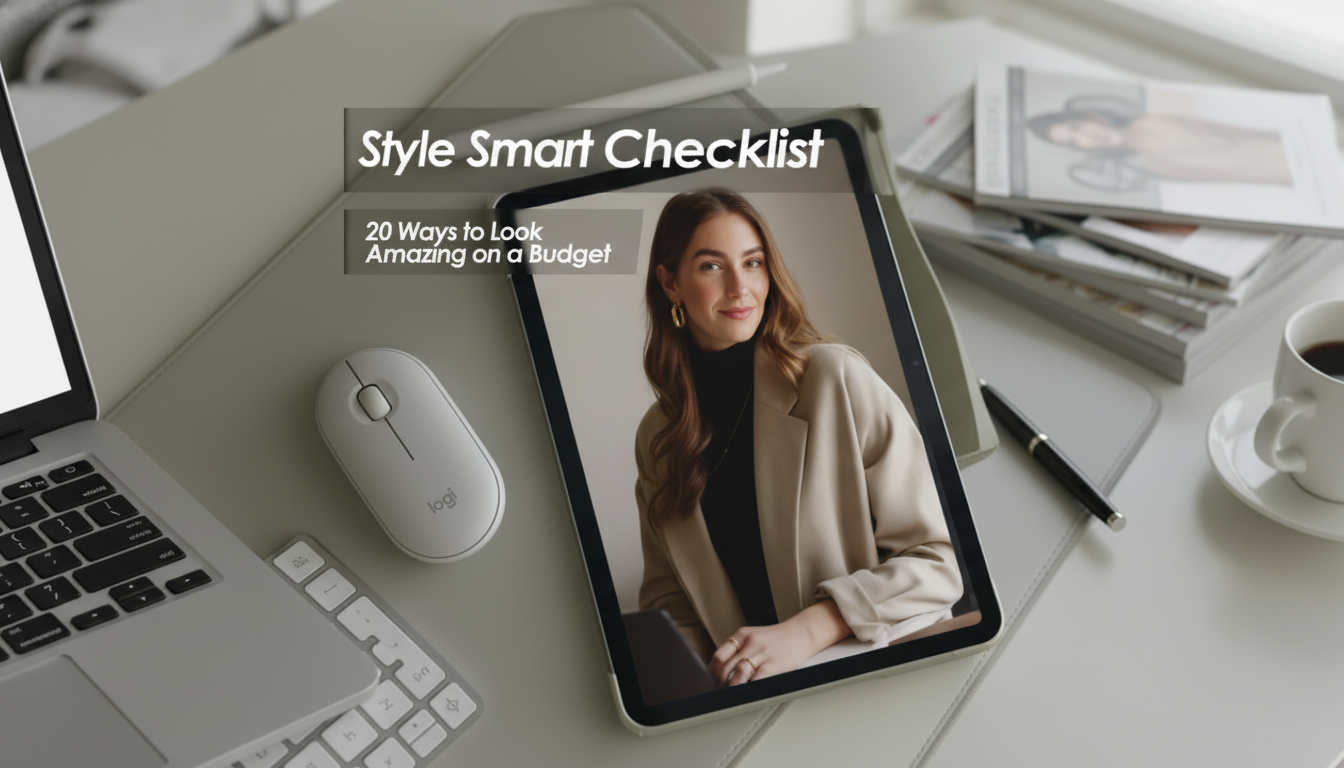
If you want a ready-made tool to keep your upgrades organized, the Style Smart Checklist: 20 Ways to Look Amazing on a Budget is an easy, printable-style reference you can revisit monthly.
For an instant “pulled together” finish on casual outfits, a structured bag makes a noticeable difference. A clean-lined option like the Tommy Hilfiger Men’s Black Handbag with Shoulder Strap works with jeans, trousers, and even elevated athleisure without looking fussy.
A ready-to-use checklist you can keep on hand
FAQ
What makes an outfit look expensive even if it’s affordable?
Fit, clean shoes, steamed fabric, and a cohesive color palette do most of the work. Simple silhouettes plus one structured layer (like a blazer or overshirt) and neat details (no lint, secure buttons, polished hardware) make outfits read intentional.
How can a small wardrobe create lots of outfits?
Limit your core colors, repeat a few flattering silhouettes, and rely on layering pieces to change the vibe. Using the 3-outfit test and a “base + third piece + shoes” formula helps every item earn its space.
What should be replaced first when upgrading style on a budget?
Start with worn-out basics (tees, underwear, socks), then move to shoes and a versatile outer layer you’ll wear constantly. Simple hemming and small repairs often improve your overall look more than adding new items.
Recommended for you



Leave a comment