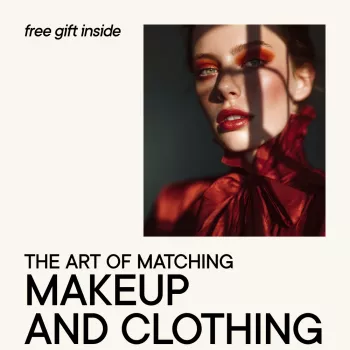
Coordinating makeup with an outfit doesn’t require a huge kit or advanced techniques—just a clear approach to color harmony, undertones, and a few reliable “default” combinations that work for everyday wear and special events. The goal is a look that feels intentional: your outfit leads, your skin’s undertone keeps everything believable, and your makeup intensity finishes the story without competing for attention.
Before picking a lip or eyeshadow, identify what your outfit is actually “saying.” A quick scan saves time and prevents clashing.
| Outfit Colors | Best Lip Direction | Best Eye Direction | Cheek/Highlight Direction |
|---|---|---|---|
| Warm neutrals (camel, tan, rust, olive) | Peachy nude, terracotta, warm rose | Bronze, copper, warm browns | Apricot blush, golden highlight |
| Cool neutrals (gray, navy, black, white) | Cool pink, berry, blue-red | Taupe, charcoal, soft shimmer, liner focus | Cool pink blush, pearl highlight |
| Brights (red, fuchsia, cobalt, emerald) | Choose one: bold lip OR bold eye | If lip is bold: soft neutral eyes; if eyes are bold: nude lip | Neutral blush; highlight aligned to undertone |
| Pastels (lavender, mint, baby blue, blush) | Soft pink, rosy nude, mauve | Sheer wash, satin shimmer, gentle definition | Light hand blush; soft glow highlight |
| Metallics/sequins | Either clean nude or a matching jewel tone | Defined lash line, controlled shimmer (avoid competing sparkle) | Sculpted blush; highlight kept precise |
Outfit-matching is easier when your makeup is loyal to your skin first. If the undertone is off, even a “perfect” color match can look slightly disconnected.
Practical rule: match makeup warmth to your skin, then echo the outfit through intensity (soft vs. bold) rather than forcing an exact shade match. When you’re unsure, reach for “bridge” shades that flatter most outfits: a rosy-brown lip, taupe eyes, and a neutral beige-rose blush.
For a quick refresher on how color relationships work in general, resources like Britannica’s overview of color and the Pantone color system help explain why certain pairings feel balanced.
When you want your makeup to coordinate with clothing, you only need three options—pick the one that suits the moment.
Balance rule: if clothing is high-contrast (black/white or bold color blocks), pick one makeup focal point—lip, eye, or skin glow—so the look reads polished instead of overloaded.
If you want fewer decisions while getting dressed, a step-by-step guide can turn color harmony into repeatable formulas you can reuse with different outfits and occasions. The Art of Matching Makeup and Clothing – Digital Makeup Guide, Color Harmony Beauty eBook, Outfit Coordination Checklist focuses on outfit-to-makeup mapping and quick checklists so you can build a coordinated look quickly.
For a broader approach—especially if you’re refining your wardrobe at the same time—Style Smart: Look Amazing Without Breaking the Bank – Digital Guide on How to Look Good on a Budget, Capsule Wardrobe, Affordable Grooming & Confidence Boost helps connect clothing choices, grooming, and confidence so outfits (and makeup) feel easier to pull together.
Exact matching can look costume-like, especially in bright or trendy shades. A more wearable approach is to echo one tone softly, choose a complementary shade, or keep makeup neutral when the outfit is bold or heavily patterned.
Choose one focal point—either a bold lip or a bold eye—then keep everything else clean and neutral. Align undertones for cohesion (for example, cobalt looks sharp with a nude lip and defined liner, while a bright dress pairs well with softly bronzed eyes).
Match makeup warmth to your skin first: warm undertones suit peachy/bronze families, cool undertones suit rosy/mauve/berry families, and neutral undertones can wear both with the right depth. Then coordinate with clothing by adjusting intensity (soft vs. bold) rather than forcing an exact color match.





Leave a comment