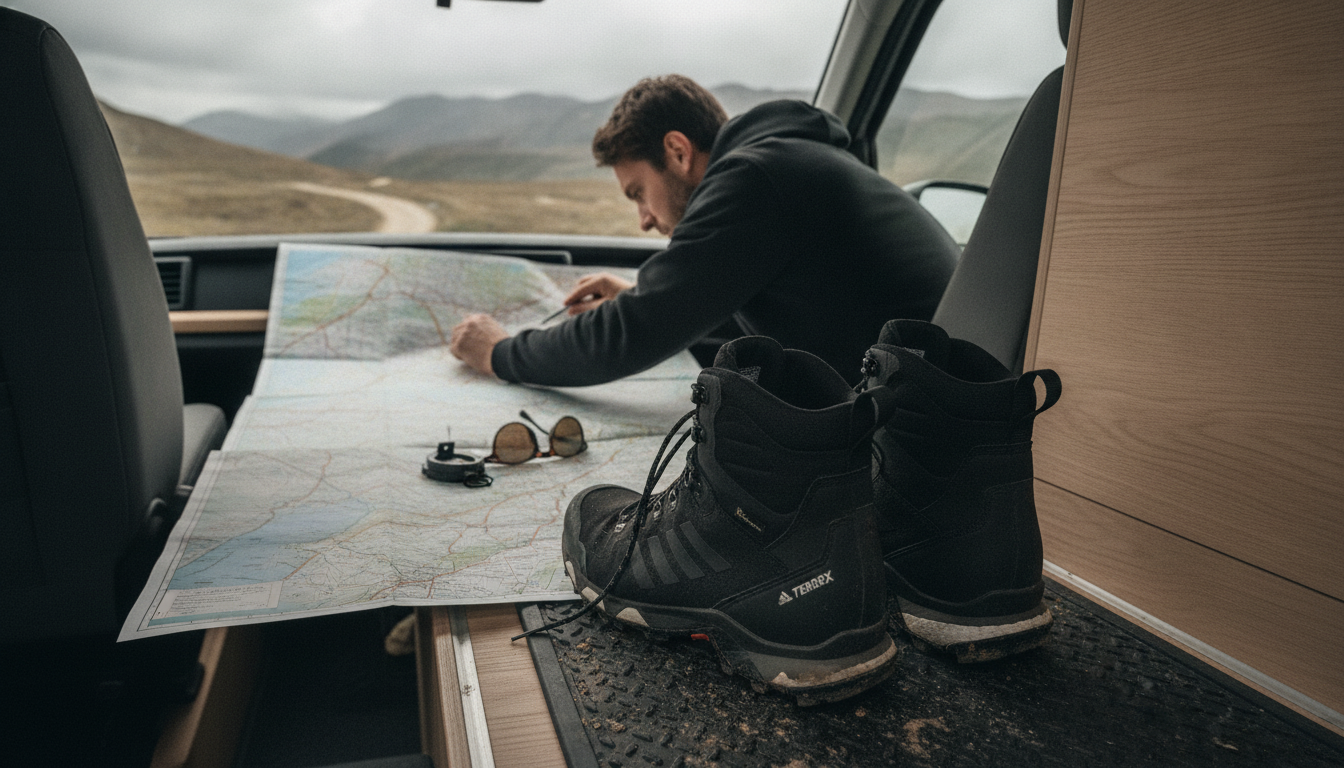
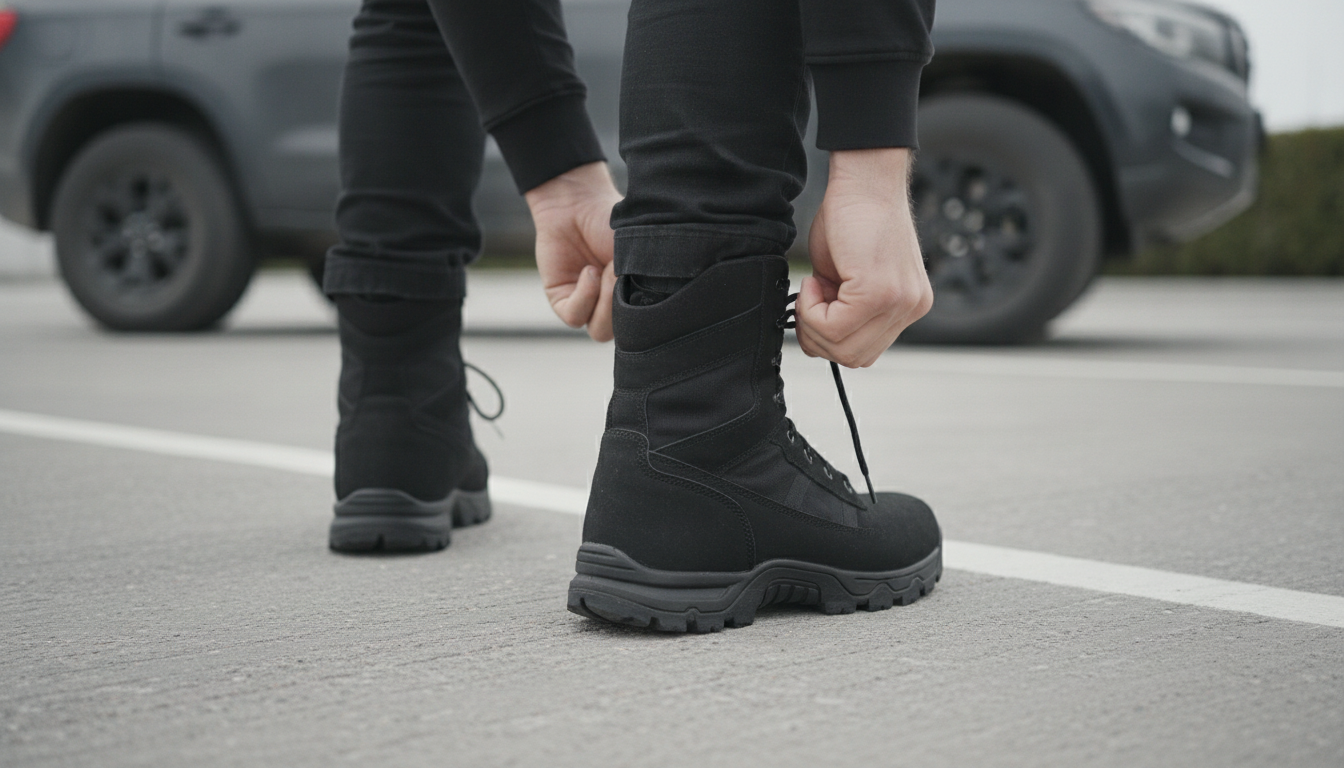
adidas Terrex boots are generally a strong choice for people who want a rugged, all-weather boot with a lightweight, athletic feel. The Terrex line is built for hiking and mixed terrain, so many models prioritize grip, stability, and weather protection without the bulky “work boot” sensation.
Traction: Many Terrex boots use Continental rubber outsoles, which are known for reliable grip on wet rock, loose dirt, and variable surfaces. If slipping on damp trails is a concern, this is one of the biggest reasons shoppers choose Terrex.
Weather resistance: Several Terrex options come with waterproof membranes (often labeled RAIN.RDY or GORE-TEX). That can make them a practical pick for rainy commutes, slushy sidewalks, and shoulder-season hikes where puddles and wet grass are unavoidable.
Comfort and weight: Compared with traditional leather hikers, Terrex boots tend to feel more like supportive sneakers. If long days on your feet matter, the lighter build and cushioning can help reduce fatigue.
Durability trade-offs: Some models use more synthetic materials, which can be lighter and faster-drying but may not age like thick, full-grain leather. If maximum longevity is the top priority, look closely at upper materials and reinforcement around the toe and heel.
Fit can be model-specific: Terrex sizing and width can vary across styles. If possible, order from a retailer with easy returns and test them indoors with the socks you’ll actually wear.
Yes—especially waterproof Terrex boots with deeper lugs for traction. For truly cold conditions, check whether the specific model is insulated; many are weatherproof rather than heavily insulated. For more seasonal styling and practical boot-buying tips, see the related guide here: adidas women’s black fall & winter boots guide.
Some Terrex styles run average-to-narrow, but fit varies by model. Look for versions described as roomy in the forefoot, and consider sizing up if you’re between sizes—then confirm heel hold so you don’t get slippage.


Leave a comment