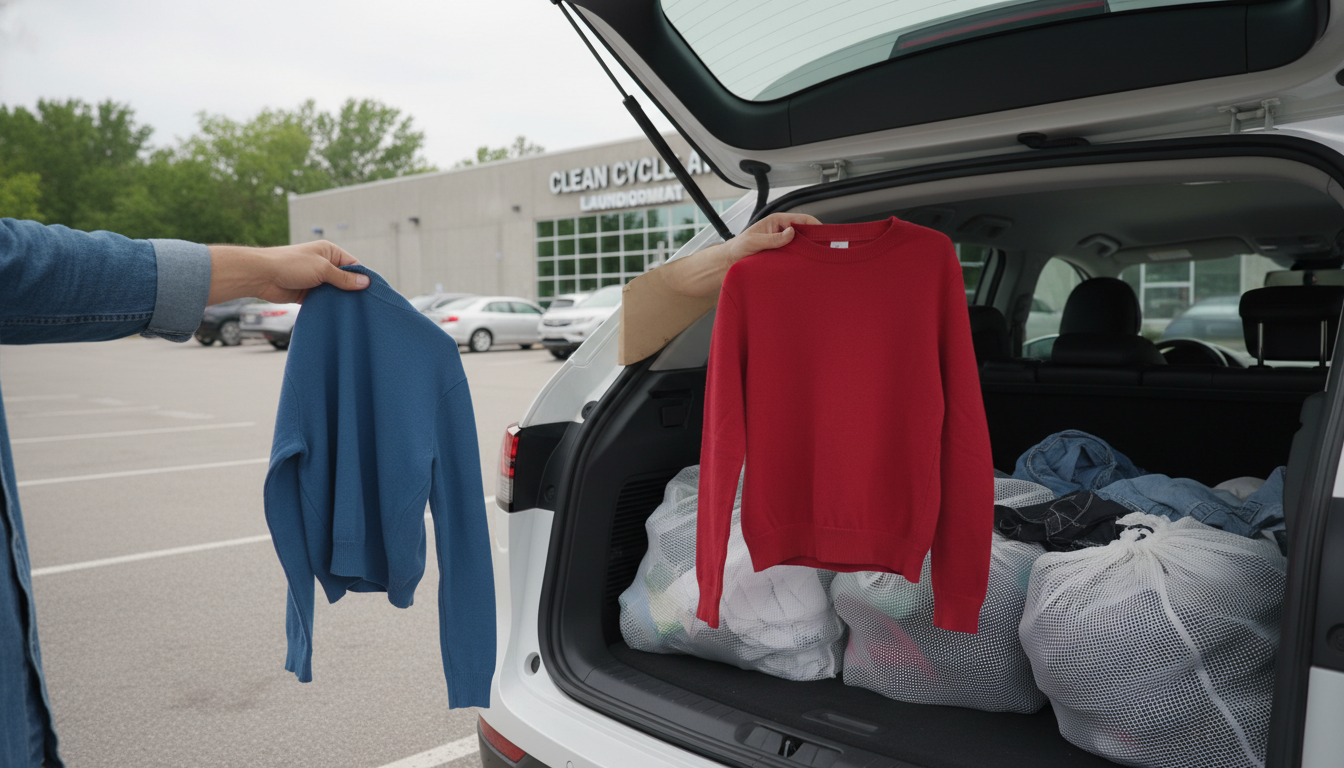
Clothes shrink in the washing machine mainly because heat, agitation, and water cause fibers to tighten, tangle, or relax and then set into a smaller shape as they dry. Some fabrics are especially prone to this because their fibers can contract when exposed to warm water or high-energy movement.
Most shrinkage is a fiber-and-yarn issue, not a “size label” issue. Natural fibers like cotton and wool have structures that can swell in water. When the wash cycle adds friction and spin, those fibers can shift. Then, if heat is involved (hot wash or hot drying afterward), the fibers can tighten and “lock” into a shorter, denser arrangement.
Warm or hot water speeds up fiber swelling and relaxation, which makes it easier for the fabric to change shape under agitation. After washing, high dryer heat (or even hot air drying near a heater) can set that new, tighter structure. This is why clothing that seems fine coming out of the washer can look noticeably smaller after drying.
Even in cool water, a heavy-duty cycle can rough up fibers and encourage them to mat or tighten. Wool and wool blends are the classic example—too much agitation can lead to felting, where fibers interlock and the garment shrinks dramatically. Cotton knits can also draw up because loops in the knit structure tighten when stressed.
Some items are pre-shrunk or treated to resist shrinkage, while others are not. Loosely woven or loosely knit garments generally shift more than tight, stable weaves. Blends vary: cotton-polyester often shrinks less than 100% cotton, while rayon/viscose can distort if handled with heat and movement.
For fabric-specific wash and dry settings (and practical ways to prevent shrinkage), see the full guide here: https://appealingtreasures.com/guide-stop-shrinkage-wash-dry-settings-by-fabric/.
Use low heat or air-dry settings, remove items while slightly damp, and finish drying flat or on a hanger. High heat is the most common reason shrinkage becomes permanent after washing.





Leave a comment