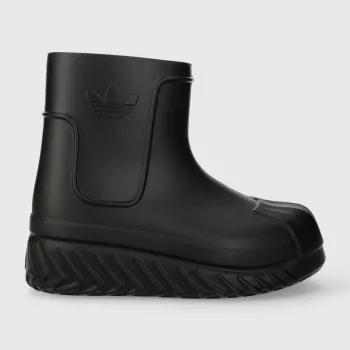
GSG9 boots stand out because they’re built around the same priorities that matter in demanding, all-day wear: stability, traction, support, and durability—without feeling like overly stiff “work-only” footwear. The name is often associated with tactical-inspired design, so the construction usually emphasizes secure footing, a locked-in fit, and materials that hold up to repeated use in rough weather and varied terrain.
A common strength of GSG9-style boots is their supportive platform. Look for structured ankle collars, firm heel counters, and midsoles that don’t collapse after a few hours. That combination helps reduce foot fatigue on long walks and provides confidence on uneven sidewalks, wet leaves, and hard surfaces.
Outsole grip is a major differentiator. Many GSG9 boots use deeper lugs and a tread pattern meant to bite into slick pavement and loose gravel. If you’re shopping for fall and winter, prioritize rubber outsoles with multi-directional tread so you can pivot and stop without sliding.
What makes these boots feel “special” day to day is the practical build: tougher uppers (often leather or reinforced synthetics), abrasion-resistant panels, and hardware that can handle frequent lacing. Some versions also include water-resistant treatments or gusseted tongues to help keep moisture and debris out—small touches that matter when weather turns messy.
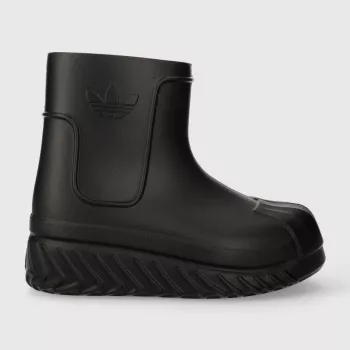
Beyond performance, GSG9 boots often deliver a clean, utilitarian silhouette that works with jeans, leggings, and layered cold-weather outfits. If you like black boots for fall and winter styling, you can compare options and outfit-friendly features in this related guide: Adidas Women’s Black Fall & Winter Boots Guide.
For Why GSG9 Boots Stand Out: Support, Grip & Durability, the best answer depends on fit, material, care instructions, and how the product will be used day to day.
They can be, especially if the pair has a lugged rubber outsole and water-resistant materials. For cold, icy conditions, choose versions with insulation and a tread designed for slick surfaces.




Leave a comment