
The warmest boot insulation is the one that traps the most heat while staying dry and breathable for your activity. For most winter conditions, high-loft synthetic insulation (often measured in grams) delivers the best all-around warmth because it keeps insulating even if it gets damp. Premium natural insulation like shearling or wool felt can feel exceptionally warm and cozy, but it performs best when moisture is managed.
High-loft synthetic insulation (200g–800g): Common in winter boots, these fibers create air pockets that hold body heat. Higher gram ratings generally mean more warmth: around 200g–400g suits cold daily wear, while 600g–800g is built for prolonged exposure in deep cold (think ice fishing or long outdoor shifts).
Shearling (real or high-quality faux): Shearling linings feel warm immediately and help regulate temperature. They’re ideal for walking and casual winter wear, but they can feel too hot indoors and may lose comfort if soaked.
Wool felt or wool blends: Wool retains warmth well and can stay comfortable across a range of temperatures. It’s a strong choice when you want warmth without an overly “puffy” boot.
Thinsulate-style microfibers: Microfiber insulations are popular because they add warmth without bulky weight. They’re a smart pick when you want a slimmer boot silhouette but still need reliable cold protection.
Warmth also depends on waterproofing, boot fit (too tight restricts circulation), and sock choice. Even the best insulation won’t feel warm if your feet sweat and then chill, or if melting snow seeps in.
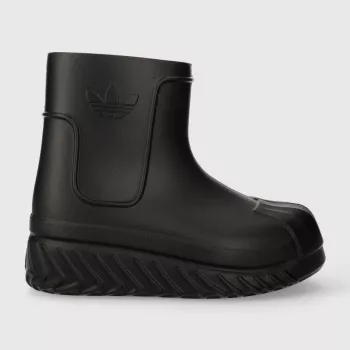
For examples of winter-ready styling and practical boot features, see the main guide here: Adidas women’s black fall & winter boots guide.
Match the grams to your cold exposure: 200g–400g works for commuting and errands, while 600g–800g is better for long periods outside in very low temperatures. Also consider activity level—more movement usually needs less insulation.



Leave a comment