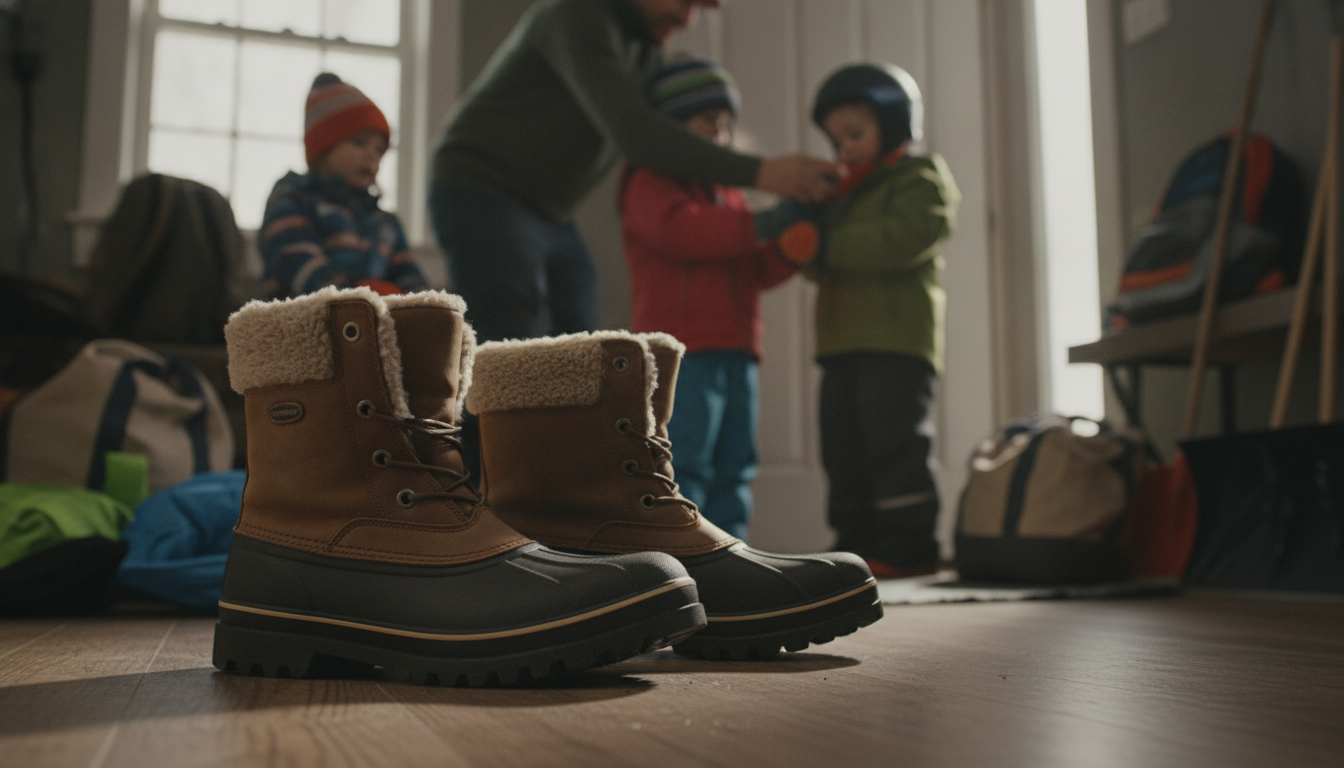
The warmest winter boot for men is typically an insulated, waterproof boot built with a tall shaft, a heat-trapping liner, and a sole designed to block cold from the ground. In real-world use, men’s boots labeled with 400g–1000g insulation (often Thinsulate or a similar synthetic fill) tend to deliver the most dependable warmth, especially when paired with a removable felt or fleece liner that helps hold heat and manage moisture.
For deep-freeze conditions, look for a boot style often described as a “pac boot” or “expedition boot.” These models usually combine a rugged rubber lower (excellent for slush and standing water) with a leather or synthetic upper and a thick, removable liner. That construction creates a strong barrier against wind, snow, and frozen ground—three common causes of cold feet.
Warmth isn’t just about insulation weight. A snug heel with a slightly roomier toe box helps circulation stay steady, while a gusseted tongue and tall collar reduce heat loss. Waterproof membranes or sealed rubber lowers keep melted snow from soaking socks, since wet feet get cold fast. Underfoot, a thick midsole plus a lugged outsole improves both thermal insulation and traction on packed snow.
If winters are wet and slushy, prioritize waterproofing and a rubber lower. If winters are dry but brutally cold, prioritize higher insulation (600g and up) and a removable liner you can dry overnight. For everyday commuting, a lighter insulated boot (200g–400g) can feel warmer than a bulky boot if it fits correctly and doesn’t compress your socks.
For more cold-weather boot guidance and styling ideas, visit this boot guide and adapt the fit-and-function tips to men’s winter needs.
Wear moisture-wicking socks (like merino wool) and choose a boot with enough toe room to avoid constricting circulation. If you sweat easily, use moderate insulation and focus on waterproofing plus a warm midsole rather than maximum insulation.




Leave a comment