
Getting started with crafting is easier when ideas, measurements, color palettes, and step-by-step plans are already organized. AI tools can help beginners choose projects that match available time, budget, and skill level—then generate templates, shopping lists, and variations for holidays or gift-giving. The result is less guesswork, fewer abandoned projects, and more finished pieces that look intentional.
AI works best as a planning partner: it helps structure the project so the creative part stays enjoyable.
For many people, crafting doubles as a stress-reducing hobby. If you’re building a new routine, it can help to understand the broader wellness upside of hobbies (see NIH News in Health).
When beginners get stuck, it’s usually not due to a lack of creativity—it’s because the plan is fuzzy. Use this repeatable workflow to keep projects realistic and finishable.
Tip: For anything involving sprays, heat tools, or strong adhesives, add a safety step to your checklist and confirm ventilation/handling guidance using reliable sources like the Consumer Product Safety Commission (CPSC).
Apartment-friendly and low-mess options include paper crafts, printable décor, peel-and-stick upgrades, hand-lettered tags, and ribbon-based projects. AI’s biggest advantage here is consistency: ask for one theme (for example, “coastal neutrals”) and have it generate matching sets so multiple items look like a planned collection, not random one-offs.
| Project | Best for | Materials (starter list) | AI help to request | Time & difficulty |
|---|---|---|---|---|
| Printable wall art in a frame | Home décor | Printer paper/cardstock, frame, scissors | 3 matching quote options + palette + sizing for Letter/A4 | 20–40 min • Easy |
| Labeled pantry jars | Home organization + gifting | Jars, labels, marker/vinyl | Label wording set + consistent font style + layout | 30–60 min • Easy |
| No-sew felt ornaments | Seasonal décor | Felt sheets, glue, ribbon | Simple template shapes + step order to avoid glue mess | 45–90 min • Easy |
| Bath salt gift jars | Gifts | Epsom salt, fragrance, jars, label paper | Scent blend ideas + safety notes + label copy | 30–60 min • Easy |
| Painted tray makeover | Home décor | Tray, paint, brush/foam roller, sealer | Color palette + drying schedule + finish suggestions | 1–2 hrs + dry time • Beginner |
If you prefer a structured starting point, a guided approach can remove the “what should I make?” bottleneck. A practical option is Beginner Projects with the Help of AI Tools – Creative Craft eBook for Beginners, which focuses on beginner-friendly ideas across home décor, gifting, and seasonal projects.
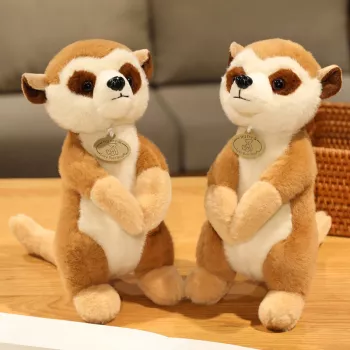
For gifting, you can pair a handmade item with a small add-on to make it feel complete—like tucking in a cute companion gift such as the Cute Big-Eyes Meerkat Plush Toy – Soft Stuffed Animal Gift alongside a handcrafted tag, mini card, or matching gift wrap kit.
Chat-based tools are best for step-by-step instructions and shopping lists, design tools are best for labels and printables, and image-based tools help you explore styles quickly. The best choice depends on whether your project needs planning, visuals, or precise sizing—and what tools you already have at home.
Many fail because goals and inputs are unclear, the scope is unrealistic, and there isn’t a simple workflow to follow. In crafting terms, that looks like choosing a project that’s too complex, skipping measurements, and not having a timed checklist for drying and finishing.





Leave a comment