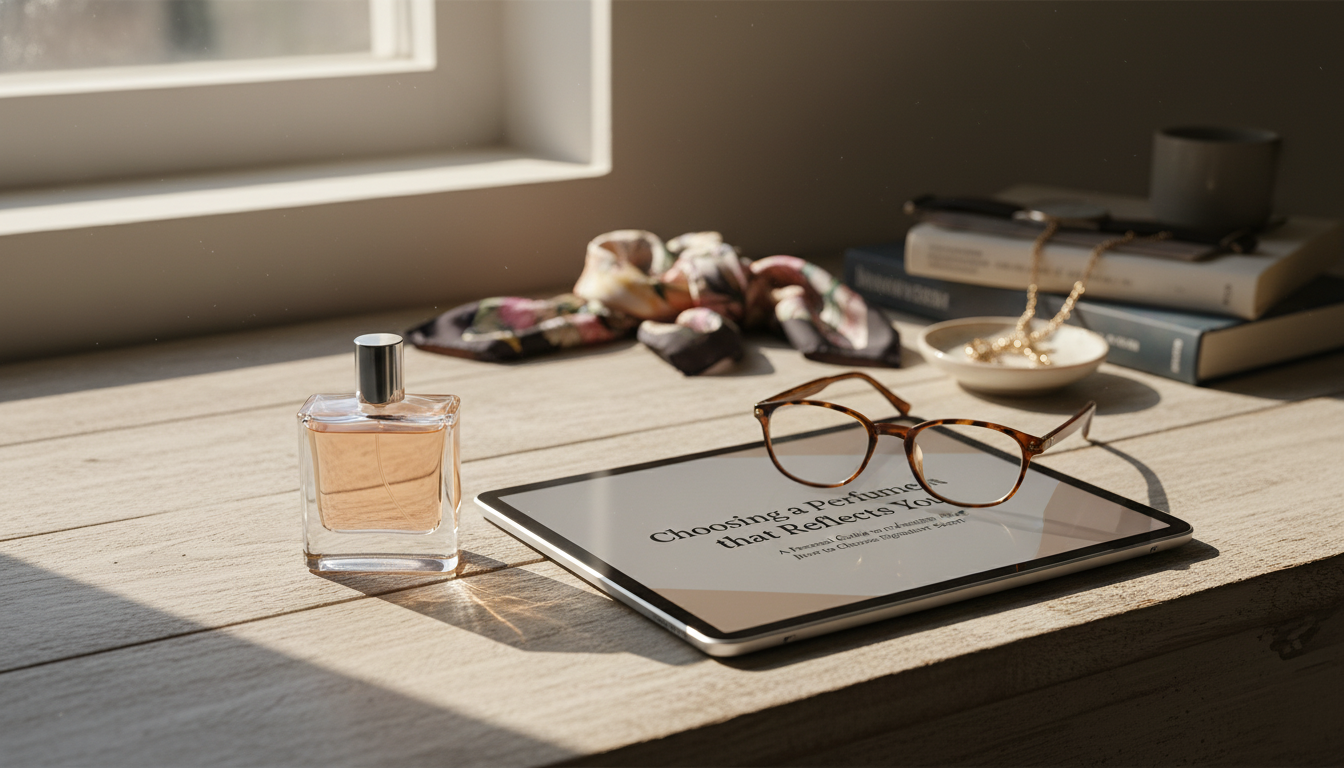
A signature scent is part memory, part mood, and part personal style. The most flattering fragrance is the one that feels natural on skin, suits daily life, and stays consistent with how you want to be perceived. When the notes line up with your routines and your comfort level, the result is less “perfume you’re wearing” and more “this smells like you.”
A signature scent doesn’t have to be one bottle forever. For some people, it’s a single fragrance worn most days; for others, it’s a tight rotation (workday, weekend, evening) that still shares a recognizable theme. The goal is familiarity—something that reads like an extension of your personal style.
Comfort matters as much as compliments. If a fragrance gives you headaches, feels overwhelming, or triggers a quick “not me” reaction, it won’t become a signature no matter how trendy it is. The best long-term pick is the one you want to smell on yourself at hour six, not just minute one.
Once you know your “yes” notes and your “no” notes, shopping gets calmer. You’re no longer trying to like everything—you’re narrowing toward a scent personality that fits.
Fragrance families aren’t rules, but they’re useful shortcuts for the vibe a scent often gives off:
| If you want to feel… | Good for… | Try these note directions |
|---|---|---|
| Clean and put-together | Work, errands, close spaces | musk, soap notes, light woods, soft citrus |
| Bright and playful | Daytime, spring/summer | bergamot, grapefruit, neroli, green tea, airy florals |
| Romantic and soft | Dates, events, self-care | rose, peony, vanilla, tonka, creamy sandalwood |
| Bold and magnetic | Night out, statement moments | amber, resins, spices, leather, dark woods |
| Calm and cozy | Home, cool weather, travel | vanilla, cashmere woods, benzoin, gentle spice |
Perfume develops in stages: top notes (first minutes), heart notes (about 1–3 hours), and base notes (3–10+ hours). The “you” version of a fragrance often shows up in the heart and base, not the opening.
Heat, hydration, and skin type change projection and longevity. Dry skin often “drinks” scent faster, while warmer skin can amplify sweetness or spice. Diet, medication, hormones, and stress can also shift how notes read from week to week. For the fairest test, spray on clean, unscented skin and avoid strongly scented lotions while you’re deciding.
For a deeper dive on how scent perception works, see this overview of olfaction and smell perception.
Limit testing to two fragrances per day on skin (one per wrist/forearm) to avoid nose fatigue. If you can’t clearly remember the dry-down by evening, it’s probably not “signature” material yet.
Concentration affects intensity, wear time, and how “close” or “loud” a scent feels:
If you want a simple reference on concentration categories, the International Fragrance Association (IFRA) is a helpful starting point for fragrance education and standards.
If you prefer a structured, step-by-step workbook approach, explore Choosing a Perfume that Reflects You – A Personal Guide to Identity, Style & How to Choose a Signature Scent | Digital Ebook.
Small tools can make the process feel effortless: a travel-sized plan you can carry, a safe place for samples, and a system for choosing rather than guessing. If you like organizing your everyday essentials while you test, a structured bag can help—see Tommy Hilfiger Men’s Black Handbag with Shoulder Strap. For gifting or comfort pairing, consider Cute Big-Eyes Meerkat Plush Toy – Soft Stuffed Animal Gift alongside a sample set or fragrance discovery kit.
Skin chemistry, natural scent, hydration, and heat all affect how a perfume dries down, so test on clean, unscented skin and wear it for several hours before deciding. If you want something that blends seamlessly, try musks and smooth woods; for a fresher “reset,” look to citrus and aromatics.
Focus on personal preferences and lifestyle rather than gender labels: start with favorite smells, choose a fragrance family, and match intensity to the setting (office vs. evening). For gifting, sample sets and flexible return policies usually lead to the best outcome.




Leave a comment