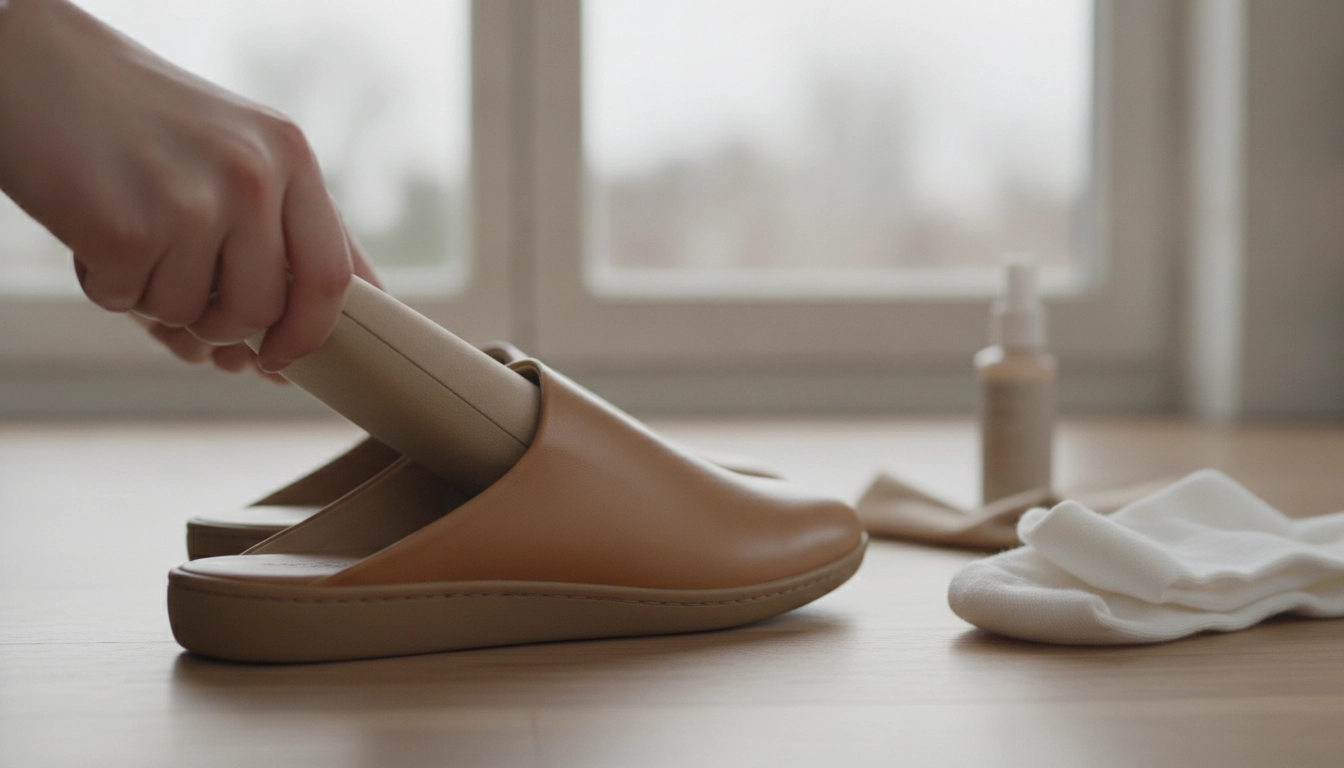
Leather mule sneakers can feel stiff at first, and the open-back design makes any heel slip or edge pressure more noticeable. The goal is to soften high-contact points while keeping your foot stable so the shoe doesn’t saw against your skin.
For the first few wears, choose thin, smooth crew or no-show socks with a snug cuff. If you prefer sockless later, break them in with socks first to reduce friction while the leather relaxes.
Rubbing usually comes from movement, not just tightness. Add a low-profile heel grip or a thin insole (or both) to reduce heel slip and fill extra volume. If the shoe feels loose at the instep, consider a tongue pad to keep your foot from drifting forward.
Wear the shoes indoors for 15–30 minutes at a time for a few days. If a specific edge rubs, gently flex that area by hand and apply a small amount of leather conditioner to the rubbing point (wipe off any excess). Avoid soaking or heating the leather aggressively, which can warp the shape and create new hot spots.
Use moleskin or blister tape on your skin (or on the shoe edge) where friction happens—typically the collar, sidewalls, or instep. For longer walks, a dab of anti-chafe balm on common rub zones helps keep skin from catching.
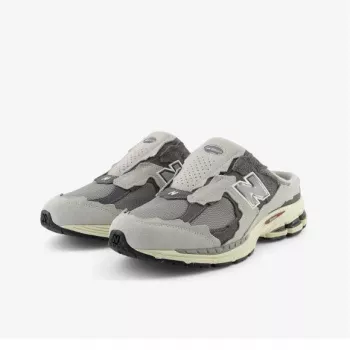
If rubbing persists after a week of short wears, the size or width may be off. Mule sneakers should feel secure across the midfoot without your heel constantly lifting. For model-specific fit tips and break-in notes, see the detailed guide here: New Balance 2002 Grey Leather Mule Sneakers Guide.
Squeaking often comes from moisture or friction between the insole and footbed. Try removing the insole and dusting a tiny amount of baby powder under it, then reinsert; also ensure the shoes fully dry between wears.


Leave a comment