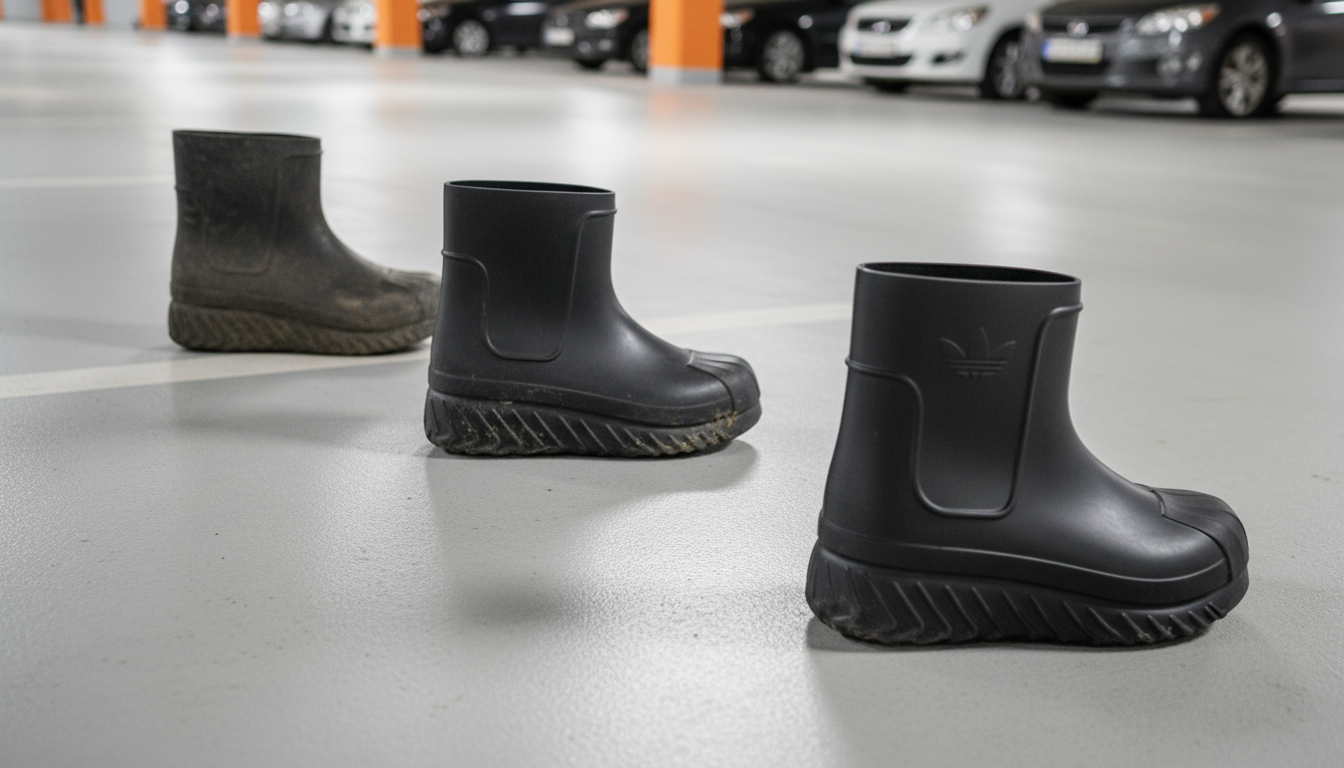
adidas boot “tiers” generally refer to product lines built for different budgets and performance needs. While adidas doesn’t always label boots as Tier 1/2/3 on the box, the quality differences show up in materials, cushioning, weather protection, and the durability of the outsole and uppers.
These boots prioritize affordability and casual wear. Uppers are often synthetic or coated textiles, insulation is lighter (or not included), and traction patterns tend to be simpler. They can be a solid pick for occasional city wear, but they typically won’t feel as supportive or warm during long, cold days.
Mid-tier adidas boots usually step up cushioning, insole comfort, and overall build quality. You’ll often see more supportive midsoles, sturdier construction around the heel, and improved outsoles for wet sidewalks. If you’re wearing boots frequently through fall and winter, this tier often delivers the best value.
Higher-end adidas boots are built for harsher conditions and longer wear. Look for advanced cushioning setups, more robust outsoles, and protective details like reinforced toe/heel areas. Many premium options also incorporate stronger water resistance or weather-shedding materials, which matters when slush and cold rain are part of the routine.
Check the outsole pattern depth (deeper lugs usually grip better), upper material (sturdier overlays and reinforcements last longer), and the cushioning callouts (more responsive foams tend to cost more but feel better over time). Also scan for weather features like water-resistant treatments and warmer linings if you’ll be outside often.
For more help choosing a pair that fits the season and your wardrobe, visit the full guide: adidas women’s black fall & winter boots guide.
Prioritize water-resistant or waterproof uppers, a gusseted tongue if available, and a lugged outsole designed for slick surfaces. Insulated linings help, but traction and water protection make the biggest difference in slush and rain.



Leave a comment