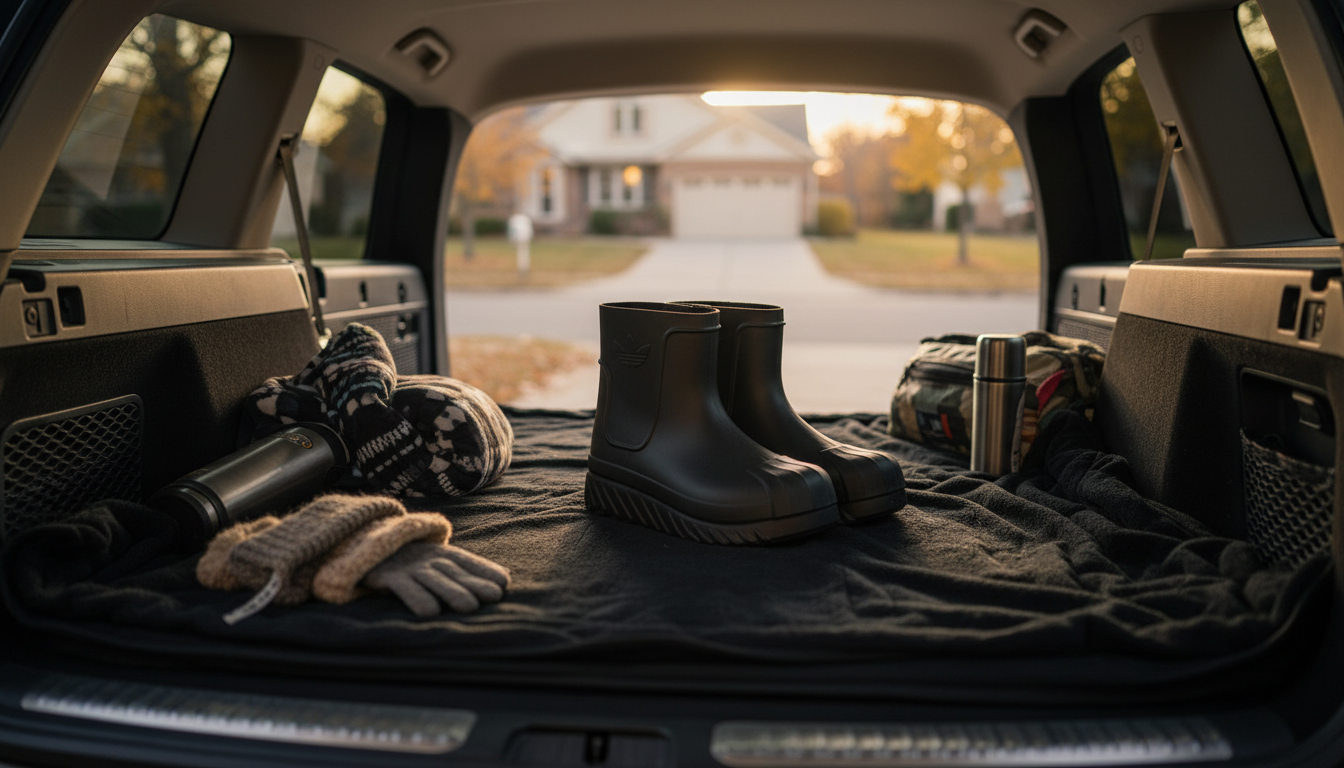
The warmest shoes for winter are insulated, weather-sealed boots that keep heat in while blocking wind, snow, and slush. Look for winter footwear built with a warm lining (like shearling, fleece, or insulated textiles), a water-resistant or waterproof upper, and a thick sole that reduces heat loss to frozen pavement. Boots that rise above the ankle typically feel warmer than low-cut shoes because they protect more of your foot and help keep snow out.
Start with insulation and lining: a plush interior traps body heat and reduces that sharp “cold soak” feeling. Next, prioritize waterproofing—warmth disappears fast once your socks get damp, so sealed seams and treated uppers matter. A thick rubber outsole adds warmth by insulating from the ground, and a grippy tread helps you stay steady on icy sidewalks. Finally, a secure closure (laces or a snug shaft) reduces drafts and keeps snow from sneaking in.
If warmth is the top priority, insulated snow boots are usually the warmest option for deep cold, heavy snow, and long outdoor time. For everyday errands in chilly, wet conditions, insulated waterproof ankle boots can deliver warmth without feeling bulky. In dry cold, a lined leather boot can be cozy and stylish, especially with a thicker sole and room for warmer socks.
The warmest winter shoes aren’t necessarily the tightest. A little extra room helps trap warm air and prevents circulation from being restricted. Pair boots with midweight or heavyweight wool-blend socks; wool stays warmer than cotton when conditions get damp. If you’ll be outside for hours, consider boots that accommodate thicker socks without squeezing.
For a closer look at cold-weather boot styles and practical picks, visit this winter boot guide for more detailed recommendations.
Choose insulated ankle boots with a warm lining, add wool-blend socks, and use a thermal insole for extra insulation from cold ground. Keeping boots slightly roomy helps circulation and warmth.



Leave a comment