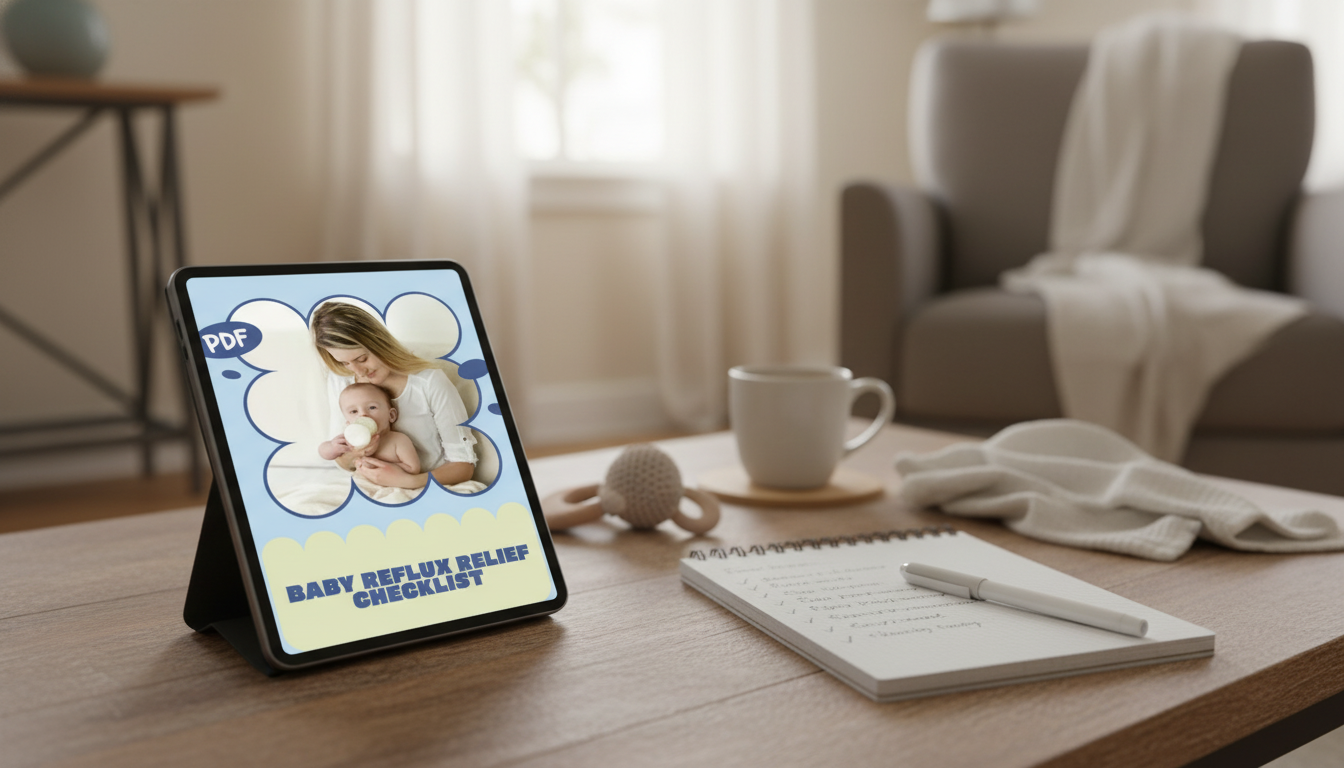
35% off on product page · save $1.61
Safest Baby Sleep Position: Back Sleeping Explained
Lay your baby down on their back from birth until their first birthday, including for short naps and after nighttime feedings. Side sleeping is not a safer compromise because a baby can roll from their side onto their stomach, and stomach sleeping is not recommended unless your baby’s health care professional gives you specific medical instructions.
Check the product’s listed specifications when evaluating start every sleep on the back.
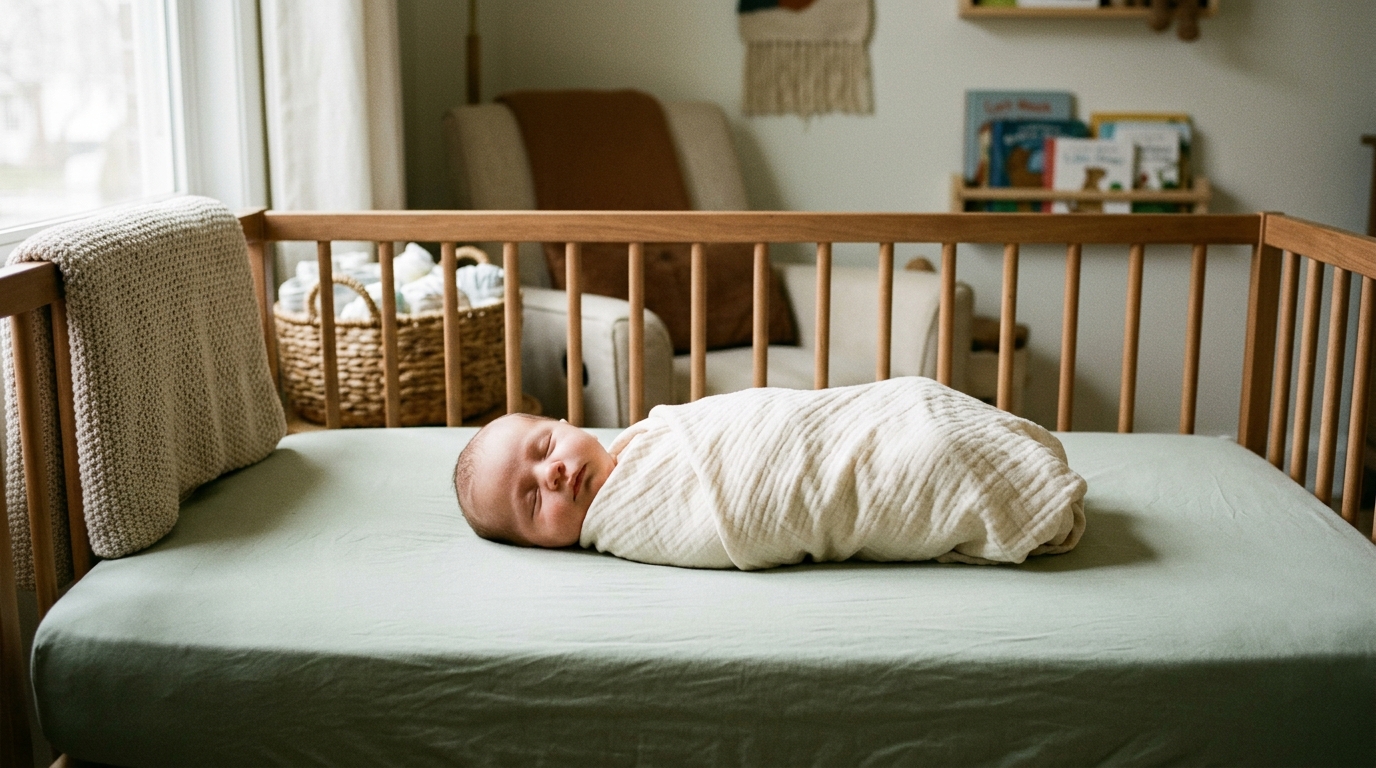
Use a firm, flat, non-inclined mattress in a crib, bassinet, or play yard that meets current safety standards, with only a fitted sheet. Keep pillows, loose blankets, bumpers, stuffed toys, and positioners out of the sleep space; a wearable blanket can provide warmth without adding loose bedding.
Featured in this guide
Baby Reflux Relief Checklist – Easy Digital Checklist for New Parents to Identify Baby Reflux Symptoms & Support Feeding, Sleep, and Comfort
If your baby spits up, you can hold them upright while you are awake after a feeding, but put them on their back on a flat sleep surface when it is time to sleep. Do not prop up the mattress or use an inclined sleeper to manage reflux, and contact your pediatrician if your baby has feeding difficulties, poor weight gain, forceful vomiting, or symptoms that worry you.
Continue placing your baby on their back even after they learn to roll; if they can roll both ways on their own, you do not need to keep turning them back during sleep. Stop swaddling as soon as they show signs of trying to roll, and keep the sleep space clear so they have room to move.
For help organizing what you notice around feeds and rest, our Baby Reflux Relief Checklist focuses on reflux symptoms, feeding, sleep, and comfort. Our team encourages you to bring any concerns about your baby’s symptoms or sleep positioning to their pediatrician.


Leave a comment