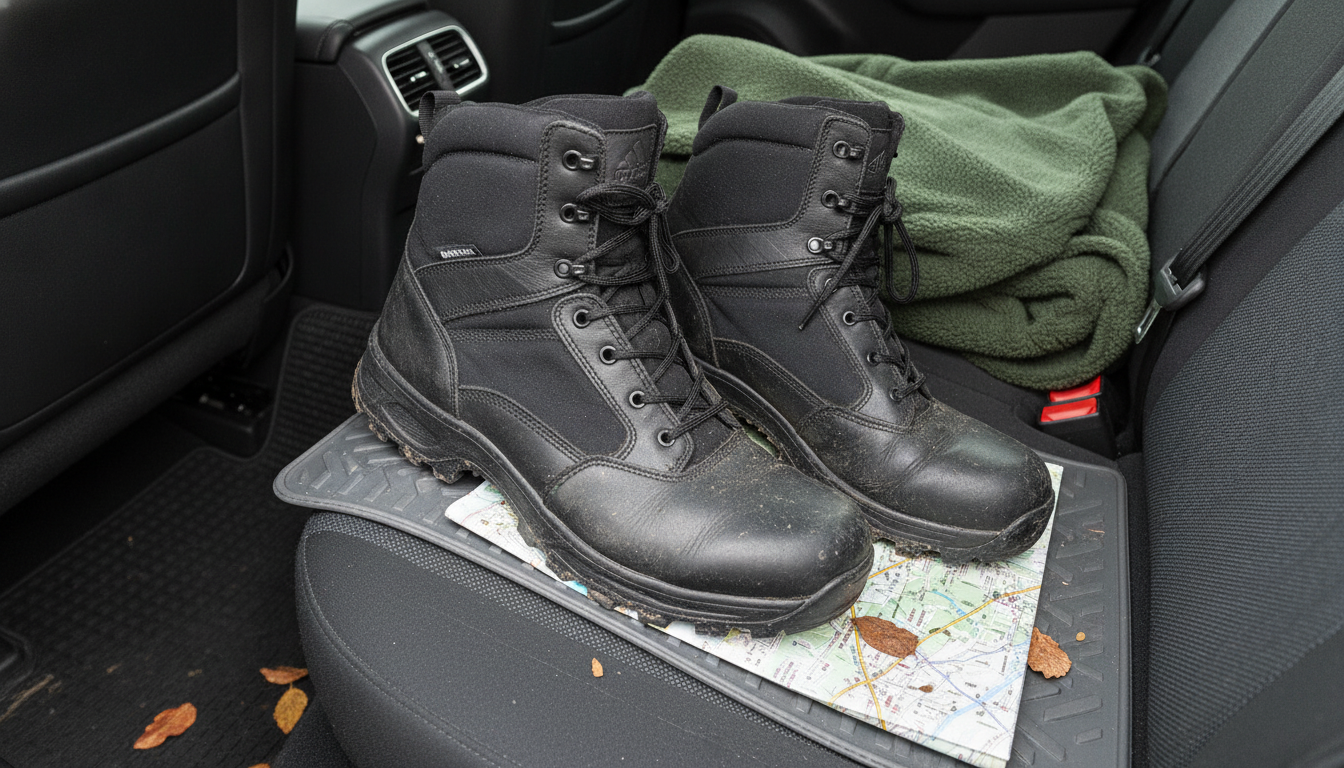
adidas GSG-9.2 boots can work for certain hikes, but they’re not a true all-purpose hiking boot. They were originally designed with a tactical, fast-moving focus, so they tend to feel stable and secure on firm ground and mixed urban-to-trail routes. For day hikes on maintained trails, gravel paths, or dry foothill terrain, they can be a solid choice—especially for shoppers who like a snug, supportive fit and a more “athletic boot” feel.
On moderate, well-groomed trails, the GSG-9.2’s supportive upper and grippy outsole can provide confidence, particularly on dirt, packed sand, and rocky hardpack. Many hikers also like boots in this style for travel-heavy trips where one pair needs to handle walking around town and short trail days without feeling clunky.
For long miles with a loaded pack, muddy conditions, or steep, loose terrain, a purpose-built hiking boot often wins. Cushioning and underfoot protection can feel different than traditional hikers, and waterproofing varies by version—so wet grass, creek crossings, or persistent rain may require extra caution unless the pair is specifically rated for wet conditions. If the hike involves frequent slick rock, deep mud, or multi-day use, a trekking-oriented boot with stronger waterproofing and a hiking-specific midsole/outsole package is usually the safer bet.
Choose GSG-9.2 boots for light-to-moderate hikes, dry conditions, and trips where you’ll also be on pavement. Skip them for consistently wet climates, technical trails, or long backpacking days. For more boot options and seasonal styling ideas, see the main guide here: adidas women’s black fall/winter boots guide.
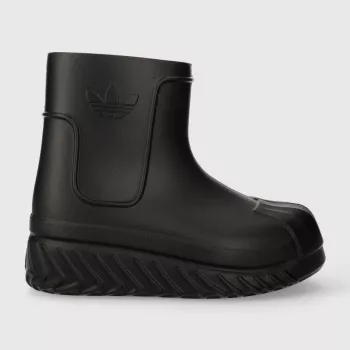
Some adidas boots are water-resistant or made with waterproof membranes, but not every model is fully waterproof. Check the product listing for a waterproof rating or membrane details before relying on them in rain or wet trails.




Leave a comment