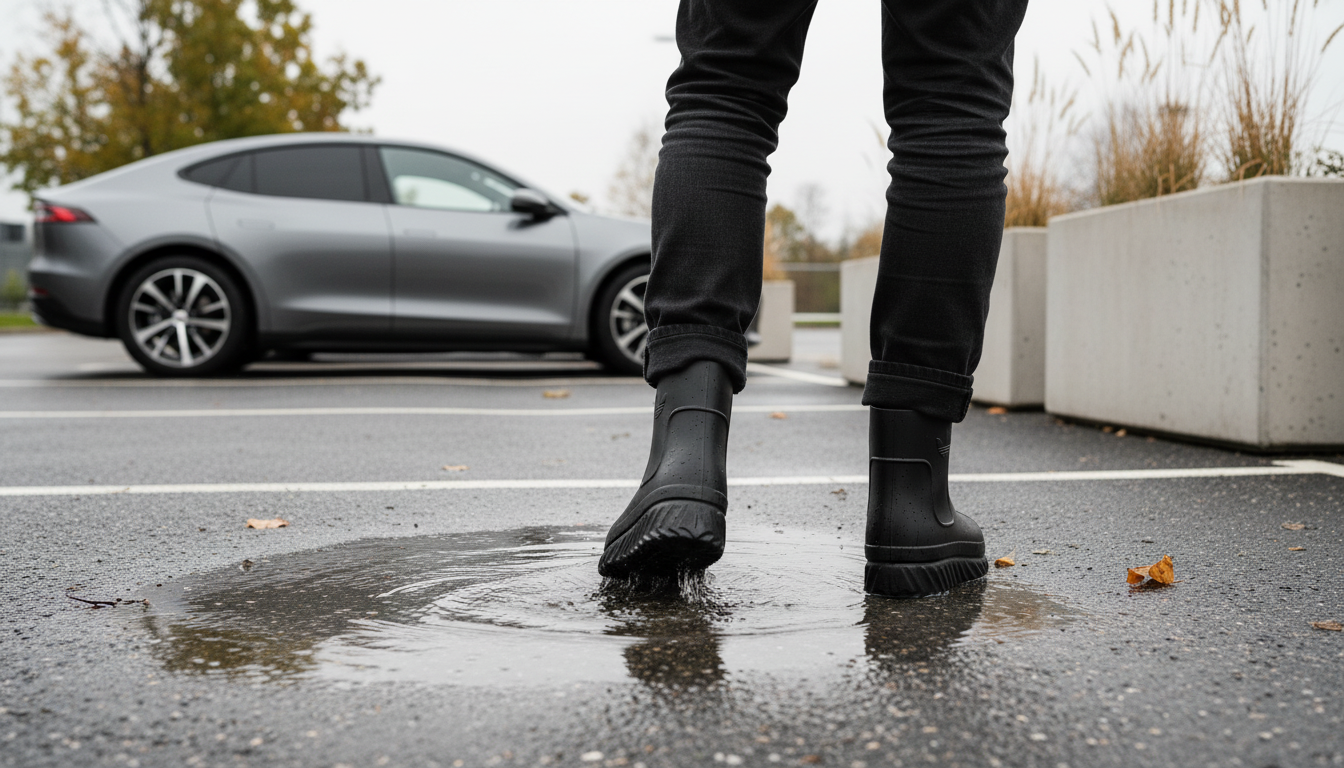
adidas boots come in a few “levels” that usually reflect how technical the design is, what materials are used, and what conditions they’re built for. Instead of a single universal tier system across every release, adidas typically groups boots by purpose (lifestyle vs. outdoor performance) and by construction details (insulation, waterproofing, traction, and support).
These are the most everyday-friendly adidas boots—built primarily for style, casual comfort, and light weather. You’ll often see simpler uppers, moderate cushioning, and outsoles meant for sidewalks and daily errands rather than harsh terrain. They’re a solid choice if you want an easy-to-wear boot that pairs well with jeans, leggings, and winter layers.
The next level up prioritizes cold and wet conditions. Many adidas winter boots add warmer linings, higher collars, and more protective materials to help block wind and moisture. Traction is usually more aggressive than lifestyle boots, making these better for slushy streets, packed snow, and long days outside.
At the more technical end, adidas outdoor boots are designed for uneven surfaces and extended wear. Look for rugged outsoles with deeper lugs, reinforced toe and heel areas, and supportive midsoles that can handle longer walks. This level is the best match for trails, travel days with lots of steps, or unpredictable winter ground conditions.
Start with where you’ll wear them most. For dry city days, a lifestyle boot is usually enough. If you routinely deal with wet sidewalks, freezing temps, or snow, move up to winter-focused builds. For trips, hikes, or rough terrain, choose the most supportive, traction-forward options.
For a closer look at styling and seasonal considerations—especially for women’s black fall and winter options—visit this adidas women’s black fall & winter boots guide.
Many adidas boots fit true to size, but winter pairs can feel snug if you wear thick socks. If you’re between sizes or plan to layer socks, sizing up slightly can improve comfort.




Leave a comment